Greater Accra Population Growth: Will It Double by 2045?
Greater Accra's population could double by 2045. See what the data shows and how TNAC is planning infrastructure ahead of the growth curve.
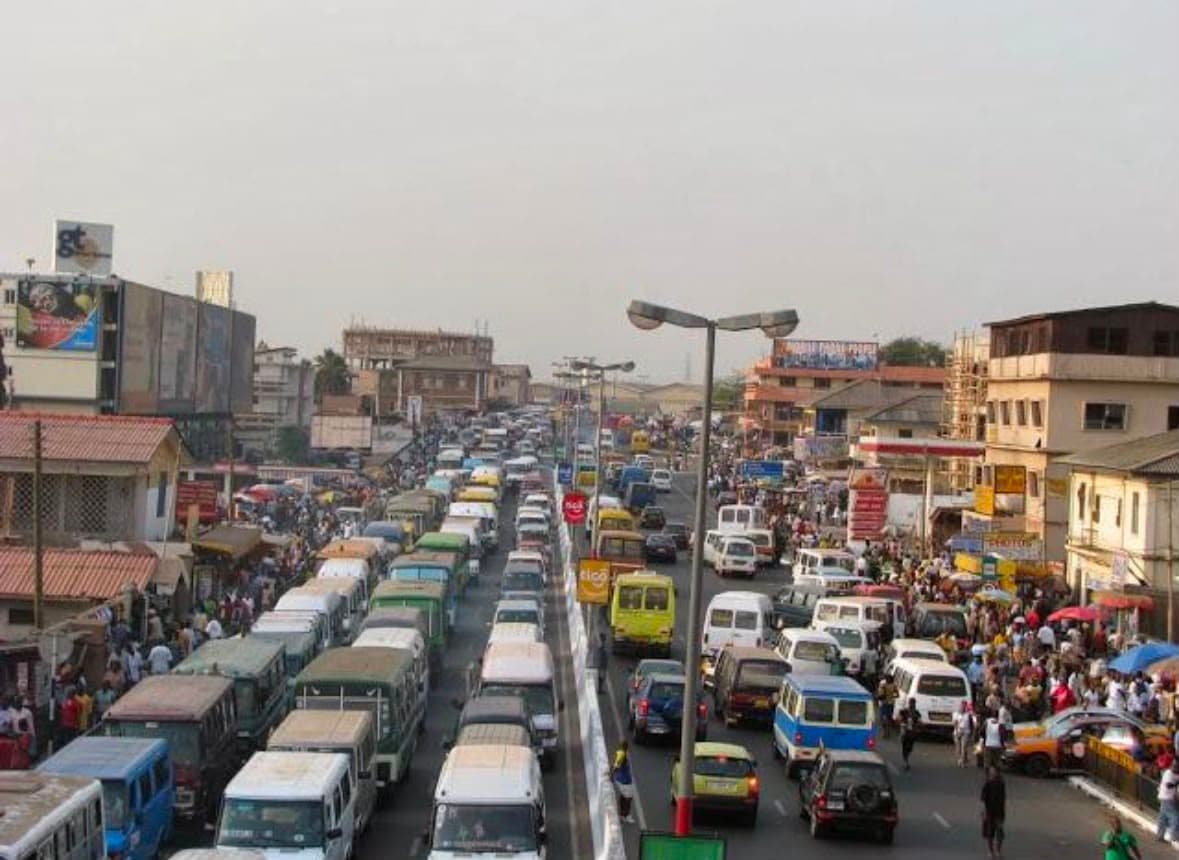
If you've driven through Accra recently, you've probably noticed it. More traffic. More housing estates. Communities stretching farther into places like Oyarifa, Amasaman, and Kasoa.
The city is growing before our eyes.
But is it really growing fast enough to double its population by 2045?
The answer depends on which numbers you look at, and that's where things get interesting.
The Numbers Tell Two Different Stories
According to the 2021 Population and Housing Census, Greater Accra was home to about 5.46 million people, making it Ghana's most populated and most urbanized region.
From there, the projections begin to differ.
The Ghana Statistical Service estimates the region's population will reach just over 7.5 million by 2050 significant growth, but not quite double.
Other projections, however, focus on the Greater Accra Metropolitan Area (GAMA) rather than the administrative region alone. Those estimates suggest the metro area could approach 9.6 million people by 2050, putting it much closer to doubling, potentially as early as the mid-2040s.
So who's right?
In reality, both are.
The difference comes down to what is being measured.
The Ghana Statistical Service measures the official regional boundary. GAMA looks at the wider metropolitan area, a city that has long expanded beyond those boundaries into parts of the Eastern and Central Regions.
Cities don't stop growing because a district boundary says they should. People simply move to where opportunities, housing, and infrastructure take them.
Why This Matters
Whether Greater Accra reaches 7.5 million or nearly 10 million people, one thing is certain:
More people mean greater demand.
More roads.
More schools.
More hospitals.
More reliable utilities.
More industrial space.
More housing.
The challenge isn't simply accommodating a larger population; it's making sure the infrastructure is ready before the demand arrives.
Too often, cities grow first, and infrastructure follows years later. That's when congestion worsens, services become overstretched, and communities spend decades trying to catch up.
Master-planned developments offer a different approach. Instead of reacting to growth, they anticipate it by integrating transport, utilities, land use, and economic activity from the very beginning.
Building Ahead of the Curve
This is exactly where The New Accra City Ltd believes Ghana's next chapter should begin.
Rather than waiting for population pressure to dictate development, TNAC focuses on planning communities, infrastructure, commercial districts, and industrial hubs ahead of future demand.
Through partnership models including joint ventures, land leases, revenue-sharing, co-development, build-to-suit arrangements, Build Operate and Transfer structures, and strategic operating partnerships, TNAC is helping bring together the investment and expertise needed to deliver development at the scale Ghana's future requires.
The Bigger Picture
Whether Greater Accra eventually reaches 7.5 million people or almost 10 million isn't the most important question.
The more important question is whether we're preparing for that future today.
Cities that plan create opportunity. Cities that don't spend years trying to catch up.
Greater Accra doesn't have to double by 2045 for the case to be clear.
It simply has to keep growing, and it already is.