·Urban Development & Planning
Why Cities Thrive.
Great cities aren’t built by accident; they’re planned. Discover why urban planning, not construction, drives Accra’s next era of growth and investment.
Why Do Some Cities Thrive While Others Struggle? The Case for Urban Planning in Ghana
The future of a city is decided long before construction begins.
Walk through any great city in the world, and you’ll notice the skyline. Towering buildings, busy business districts, efficient transport networks, and thriving public spaces often become the symbols of progress. Yet what makes these cities successful isn’t what we see, it’s what was planned long before the first foundation was laid.
Cities don’t become economic powerhouses by accident. They become successful because someone had the foresight to ask important questions.
Where will people live?
How will businesses move goods efficiently?
Will infrastructure support future population growth?
How do we create places where people don’t just exist, but thrive?
The answers to these questions shape the future of a city far more than the buildings themselves ever could.
Every Great City Begins with a Decision
Urban development is often mistaken for construction. While construction delivers physical structures, urban planning determines how those structures work together to create opportunity.
A road is more than asphalt. It connects people to jobs, businesses to customers, and industries to markets.
A commercial district is more than office buildings. It becomes a place where ideas are exchanged, businesses expand, and economies grow.
Even a public park serves a purpose beyond recreation—it improves quality of life, encourages social interaction, and contributes to healthier, more resilient communities.
When viewed this way, cities become living systems rather than collections of buildings.
The Cost of Building Without Planning
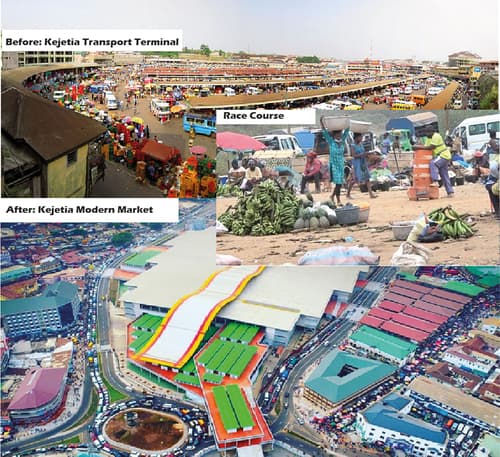
History has shown that rapid growth without thoughtful planning often creates challenges that become increasingly difficult to solve.
Congested roads, inadequate infrastructure, disconnected communities, and inefficient land use are rarely the result of growth itself. More often, they are the result of growth without a long-term vision.
Planning doesn’t eliminate every challenge, but it gives cities the framework to grow sustainably and adapt to changing economic, social, and environmental needs.
In other words, planning isn’t about predicting the future. It’s about preparing for it.
Why Investors Look Beyond Buildings
When investors evaluate a city, they rarely focus on individual buildings alone.
They ask broader questions.
Is the infrastructure reliable?
Can businesses operate efficiently?
Is there room for future expansion?
Does this location have a long-term vision?
Confidence grows where planning exists.
That’s why cities like Dubai, Singapore, and Kigali continue to attract long-term investment, as they offer more than land or buildings. They offer certainty.
Planning for Tomorrow
As Ghana continues to urbanise, the decisions made today will influence how future generations live, work, invest, and connect. Thoughtful urban planning has the potential to strengthen economies, improve quality of life, and create opportunities that extend far beyond physical development.
At The New Accra City LTD, we believe development begins with vision. Every project, from infrastructure to industrial parks to tourism corridors, should contribute to a broader purpose: creating environments where businesses can grow, communities can flourish, and long-term value can be created for generations to come.
Because the measure of a great city is not simply the height of its buildings, but the strength of the opportunities it creates.
Interested in how TNAC’s partnership models bring this vision to life? Explore our investment frameworks →